
A Gallerist in Florence: What the City Taught Me About Living with Art

I went to Florence expecting to be impressed. I didn't expect to come home thinking differently about my own job.
Over this series I've written about statues in the open air and geniuses in their tombs, painters at their easels and a marble giant under a glass dome. Looking back, the same few lessons kept appearing, whether I was standing in front of Michelangelo or a chalk drawing on the pavement. Here they are.
1. Art was made to be lived with
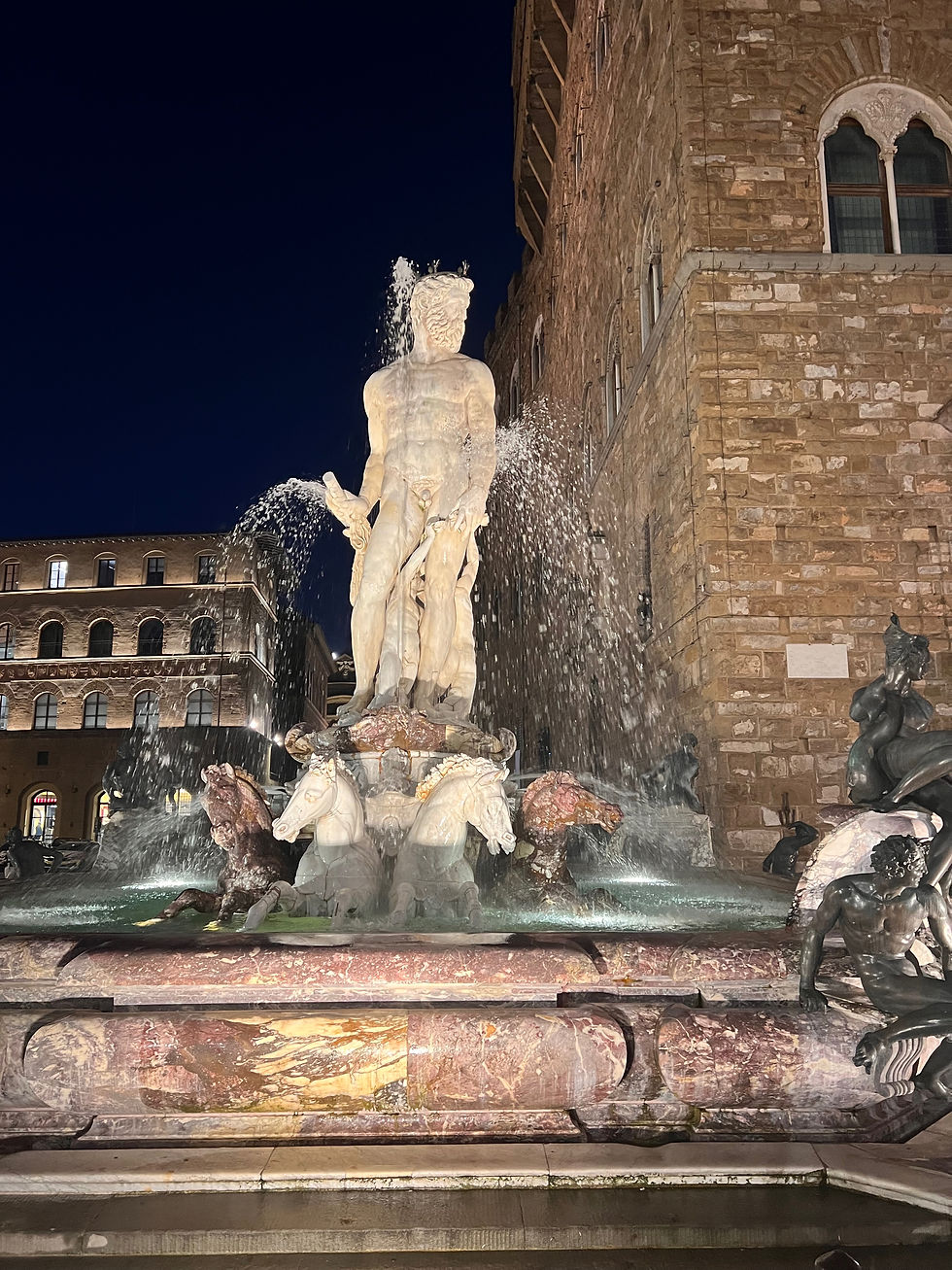
On the first day, in the Piazza della Signoria, I watched people eat gelato, argue and take selfies beneath masterpieces that have stood there for five hundred years. Nobody whispered. Florence's greatest sculptures were never meant to be locked away. They were made for daily life.
That's how we think about the work we sell. A painting should earn its place on your wall every morning, not sit in storage waiting to be admired.
2. Look closer, then look again

The best moments of the trip came from slowing down: the furrowed brow on David, the twisted columns around a cathedral window, the date hidden in a mosaic over a side door. The famous view is only the beginning. The real rewards are in the detail.
It's the advice I'd give anyone buying art. Stand in front of a piece for longer than feels natural. If it keeps giving you something new, it's the one. [Link: Accademia post]
3. The unfinished is as moving as the finished
I didn't expect Michelangelo's unfinished Prisoners to move me more than David, but they did. Figures half-freed from the stone show the effort, the decisions and the struggle behind great work. And in the cathedral I learned that the apostles Michelangelo was meant to carve for the Duomo became, in the end, one rough-hewn St Matthew in the same hall.
When an artist shows us studies, sketches or work in progress, I now see it differently. The process is part of the story, and collectors are often drawn to it more than they expect.
4. Presentation changes everything

David has his own domed room, natural light from above and a long approach that builds anticipation. The Uffizi frames its paintings in deep, softly lit recesses. Even a Renaissance portrait I saw had its own painted lid.
The lesson for any home is the same as for a museum: light, space and what surrounds a work change how it's seen. The right wall, the right frame and the right light can turn a good picture into the centre of a room.
5. Rivalry and generosity make great art
Florence's story is full of rivals and mentors: Ghiberti beating Brunelleschi for the Baptistery doors, Brunelleschi answering with a dome no one else could build, Leonardo overtaking his master, Raphael learning from everyone. The city became great because its artists pushed each other.
It's why we love representing a community of artists rather than one name. They see each other's work, learn from each other and keep raising the bar.
6. Art isn't only in museums
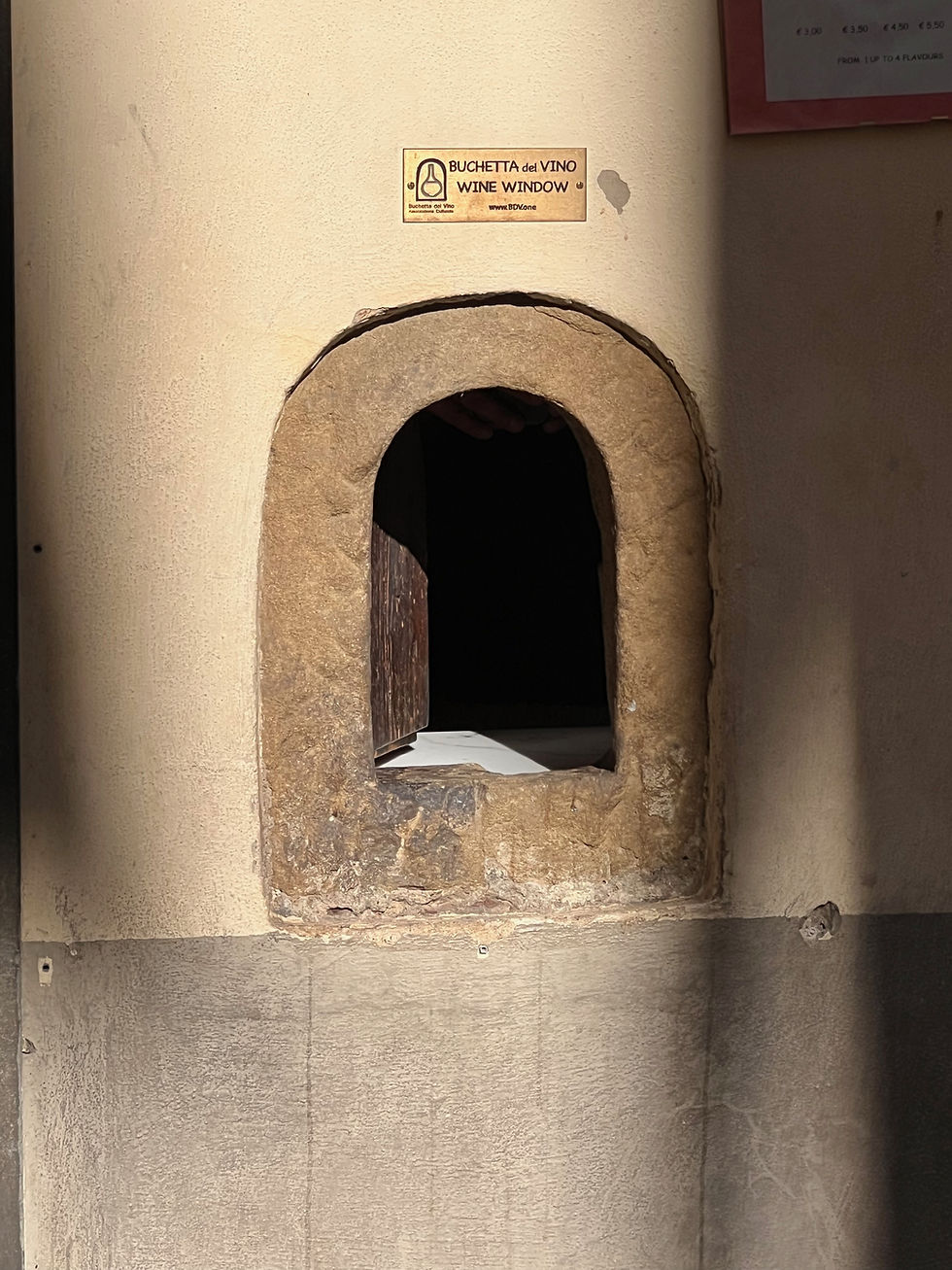
Some of my favourite memories weren't in galleries at all: a painter working the Ponte Vecchio light with a palette knife, a chalk Mona Lisa on the pavement, a tiny wine window cut into a palazzo wall. Florence treats everyday life as something worth doing beautifully.
Bringing Florence Home

I came home with tired feet, too many photographs and a renewed belief in what we do. The artists Florence celebrates were working artists: they took commissions, argued over prices and worried about their reputations. Today's artists are no different, and supporting them is how the next masterpieces get made.
If this series has stirred something, and you're thinking about a piece for your own walls, I'd love to help. Tell us about the room, the light and what moves you, and we'll find something you'll want to look at every day.
Thank you for following along. Grazie, Firenze.


Comments